
The Chain Reaction Nightmare
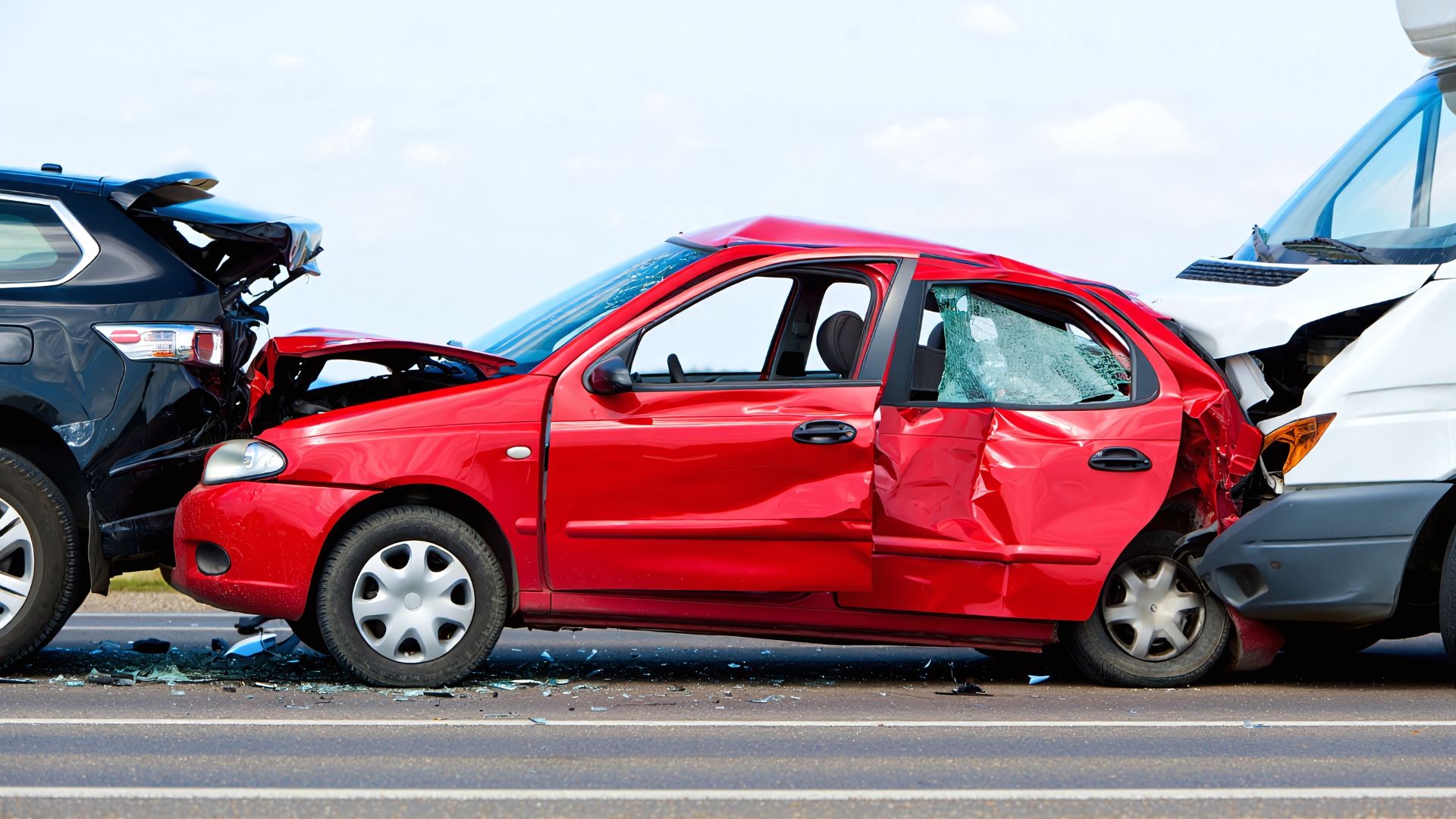
You’re driving down I-25 near Garden of the Gods Road when suddenly traffic stops ahead. You brake safely, but the car behind you doesn’t react in time and slams into your vehicle, pushing you into the car ahead. In seconds, you’ve become part of a multi-car accident through no fault of your own.
Multi-car accidents can turn your life upside down in an instant. You’re left dealing with severe injuries, mounting medical bills, time away from work, and the overwhelming stress of navigating insurance claims involving multiple parties. What starts as a typical day can quickly become a long-term struggle for physical recovery and financial stability.
Understanding Multi-Car Accidents
Collisions involving three or more vehicles often produce intricate, overlapping impact sequences. These accidents are particularly common in Colorado’s Front Range, especially during winter months when icy conditions can lead to chain-reaction crashes.
These collisions typically occur in one of several ways:
- Chain-reaction crashes: One vehicle hits another, which then hits another, creating a domino effect.
- Pile-up collisions: Multiple vehicles collide in various directions, often on highways or in low-visibility conditions.
- Intersection accidents: Multiple cars collide at intersections, often due to a driver running a red light or stop sign.
The complexity of chain reaction crashes creates unique challenges for injury victims. With multiple vehicles involved, determining who is at fault becomes significantly more complicated.
The Challenge of Determining Liability in Multi-Car Accidents
When multi-car pile-ups occur, liability determination becomes incredibly complex. Unlike a simple rear-end collision involving two vehicles, an accident with multiple vehicles means multiple parties who share varying degrees of fault.
Colorado law dictates a modified comparative negligence rule, which requires careful assessment of each party’s role in the accident, which means:
- You can recover damages if you’re less than 50% at fault.
- Your percentage of fault reduces your compensation.
- If you’re 50% or more at fault, you cannot recover compensation.
In multi-car accidents, fault must be carefully analyzed and assigned to each involved party. This requires:
- Thorough investigation: Examining physical evidence, vehicle damage patterns, skid marks, and the final positions of all vehicles.
- Witness statements: Collecting accounts from all involved parties and bystanders who witnessed the collision.
- Police reports: Analyzing the official accident report for initial fault determinations.
- Traffic laws analysis: Evaluating which traffic laws were violated and by whom.
- Accident reconstruction: Sometimes requiring professional accident reconstructionists to determine the sequence of events.

Common Liability Scenarios in Car Crashes Involving Multiple Vehicles
Multi-car accidents often fall into several common liability scenarios:
- Rear-end chain reactions: Generally, the driver who initiated the first collision bears primary responsibility, but multiple drivers may share fault if they were following too closely.
- Weather-related pile-ups: During Colorado’s snowy conditions, especially near areas like Woodland Park, drivers who fail to adjust their speed for conditions may be held liable, even if multiple vehicles are involved.
- Distracted driving incidents: A driver who texts or is otherwise distracted and causes an initial impact may bear substantial liability for the entire multi-car accident.
- Multi-directional intersection crashes: When multiple vehicles collide at an intersection, fault determination requires careful analysis of right-of-way rules and traffic signal compliance.
Related: Commercial Truck Accidents in Winter on Colorado Mountain Passes: Unique Liability Factors
Insurance Complications in Multi-Car Accidents
When pile-ups occur, you’ll likely face significant challenges with insurance companies:
- Multiple insurance policies: Each driver involved has their own insurance policy, creating a web of potential coverage sources.
- Policy limits issues: A single driver’s policy limits may be insufficient to cover all damages across multiple vehicles and injured parties.
- Delayed settlements: Insurance companies often wait for a complete liability determination before offering settlements, extending your financial strain.
- Finger-pointing between insurers: Each company typically tries to minimize its insured’s liability, leading to disputes that delay your compensation.
- Underinsured driver problems: If at-fault drivers lack adequate coverage, you may need to rely on your own underinsured motorist coverage.
Keep Reading: What To Do When Injured by an Uninsured Driver in Colorado Springs
Securing Fair Compensation After a Multi-Vehicle Crash
After a multi-car accident, the compensation should address all your losses:
- Medical expenses: Current treatment costs and anticipated future medical needs.
- Lost income: Wages lost while recovering and potential future earning capacity reductions.
- Property damage: Vehicle repair or replacement costs.
- Pain and suffering: Compensation for physical and emotional pain and distress.
- Loss of enjoyment of life: Damages for new limits on your ability to enjoy previous activities.
To secure fair compensation, you need to:
- Document everything: Keep detailed documentation of all accident-related expenses and impacts.
- Avoid early settlement offers: Initial offers rarely account for the full scope of your damages.
- Consider all insurance sources: Identify all potential policies that may provide coverage.
- Calculate future impacts: Ensure settlements account for ongoing and future losses.
You Might Like: Why You Should Never Provide Insurance Company Recorded Statements Without an Attorney
The Critical Importance of a Thorough Investigation
Thorough investigation is crucial for determining liability in multi-car accidents:
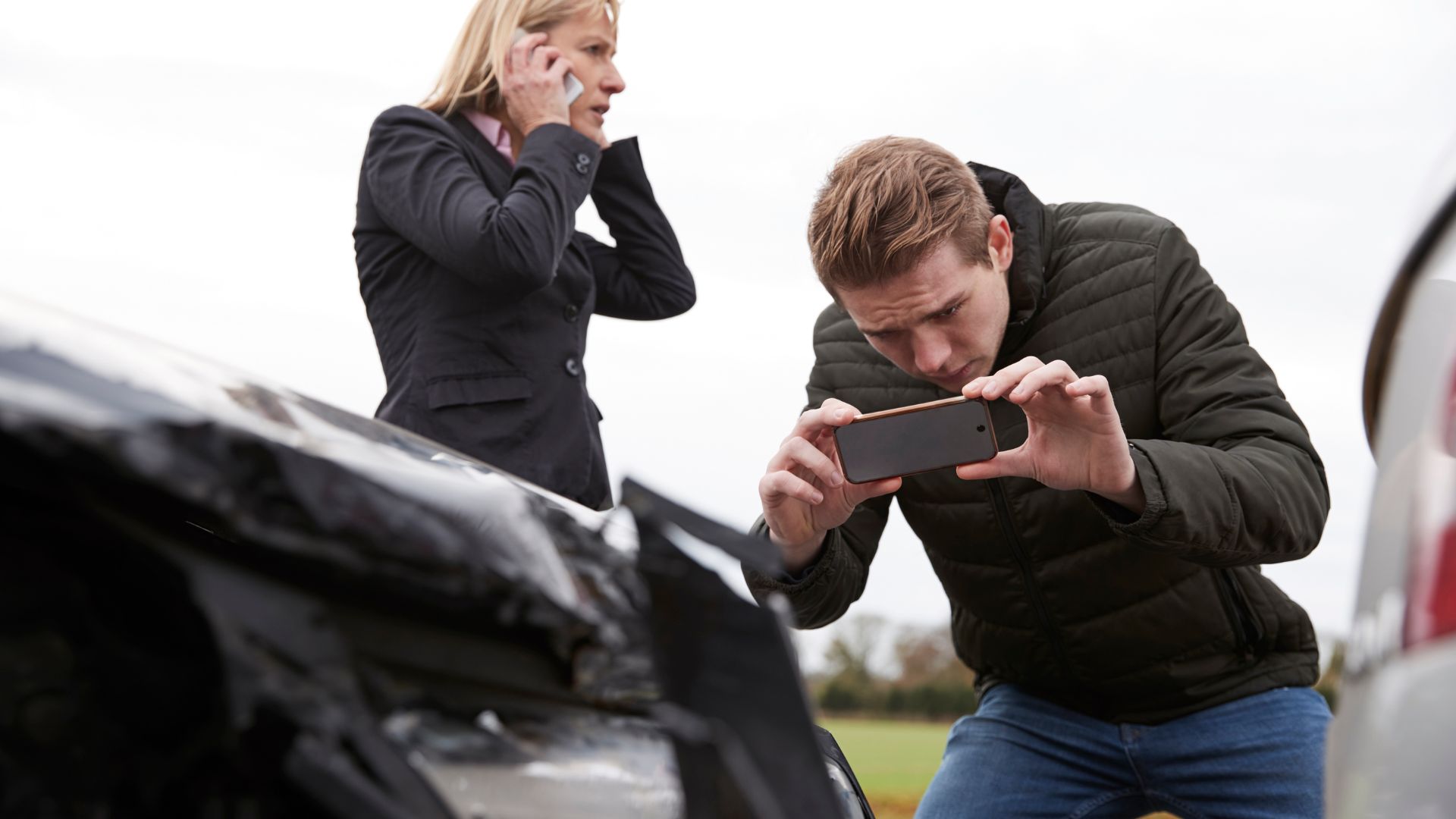
- Immediate evidence collection: Photos of vehicle damage, road conditions, and the accident scene must be documented promptly.
- Vehicle damage analysis: Examining damage patterns can help establish the sequence of impacts.
- Electronic data: Modern vehicles often have event data recorders that capture critical information about speed, braking, and other factors in the moments before a collision.
- Traffic camera footage: In areas like downtown Colorado Springs, traffic or surveillance cameras may have captured the accident.
- Cell phone records: These may help determine whether distracted driving contributed to the crash.
- Weather reports: Documentation of road and weather conditions at the time of the accident.
This evidence serves as the foundation for establishing liability and for building your compensation claim.
Why Choose King & Beaty for Your Multi-Car Accident Case
When you’re dealing with the aftermath of a multi-car accident in Colorado Springs or Castle Rock, having the best legal representation makes all the difference:
- Proven success with complex liability cases: Our attorneys have successfully handled numerous multi-car accident claims, securing substantial compensation even in cases with disputed liability.
- Resources for thorough investigation: We work with accident reconstruction specialists and have the resources to investigate complex multi-vehicle collisions thoroughly.
- Experience with insurance negotiations: We understand the tactics insurance companies use in multi-car accidents and know how to counter them effectively.
- Trial-ready approach: While many cases settle, we prepare every case as if it will go to trial, strengthening your negotiating position.
- Contingency Fee Basis: You owe no legal fees unless we obtain compensation on your behalf.
Steps to Take After Being Involved in Multi-Car Accidents
If you’re involved in a pile-up, there are critical steps you can take immediately to protect your health and legal rights:
- Safety first: Move to a safe location when and if possible and check for injuries.
- Call 911 immediately: Ensure police and emergency medical services respond to the scene and seek and accept medical attention, even if you feel fine immediately following the crash. Some injuries may not be immediately apparent.
- Document the scene: Use your mobile phone to take photos of all vehicles involved, their positions, license plates, and the overall accident scene.
- Exchange information with caution: Get contact and insurance information from all drivers involved, but avoid discussing fault.
- Identify witnesses: Collect names and contact details of all individuals who witnessed the accident.
- Notify your insurance company: Report the accident promptly, but stick to the facts without elaborating.
- Speak with an attorney: Talk to a personal injury attorney first—before giving statements to any insurance company.
- Keep detailed records: Document all medical treatments, expenses, and how your injuries affect your daily life.
Taking these steps creates a sound footing for your eventual claim.
Don’t Face Multi-Car Accident Challenges Alone
Multi-car accidents create uniquely challenging legal and insurance challenges that can overwhelm injury victims. With multiple parties involved, determining liability and securing fair compensation requires specialized knowledge and dedicated advocacy.
At King & Beaty, our experienced car accident attorneys understand the difficulties you’re facing after a multi-car accident in Colorado Springs. Our extensive experience with these intricate matters allows us to effectively investigate, establish liability, and pursue maximum compensation for your injuries and losses.
Remember, you owe no attorney’s fees unless we successfully recover compensation on your behalf. Contact us today for a free, no-obligation consultation to discuss your multi-car accident case and learn how we can help you move forward on your path to recovery.
Frequently Asked Questions About Multi-Car Accidents in Colorado
How do investigators decide who is at fault in a multi-car crash in Colorado?
In Colorado, fault in multi-car accidents is determined through an investigation of evidence, including police reports, witness statements, vehicle damage patterns, traffic camera footage, and, sometimes, accident reconstruction. Colorado follows modified comparative negligence rules, meaning multiple drivers can share fault, and your percentage of responsibility may reduce your compensation if you’re less than 50% at fault.
What if the insurance policy limits aren’t enough to cover all damages in a multi-car accident?
When insurance policy limits are insufficient to cover all damages in multi-car accidents, you may need to pursue multiple insurance policies, including your own underinsured motorist coverage. This situation often requires intricate negotiations with multiple insurance companies and possibly litigation. Contact King & Beaty for a free consultation to discuss your options for maximizing available coverage.
How long do I have to file a claim after a multi-car accident in Colorado?
Per Colorado law, you have three years from the date of a multi-car accident to file a personal injury lawsuit. However, certain circumstances may shorten this timeline, such as when government entities are involved. Additionally, evidence tends to disappear, and witnesses’ memories fade over time, making it wise to speak with an attorney as soon as possible after the accident.
What makes multi-car accidents more complicated than two-car collisions?
Multi-car accidents create significantly more complexity than two-car collisions because they involve multiple parties, insurance policies, and potential liability allocations. Determining the sequence of impacts becomes challenging, as does assessing each driver’s percentage of fault. Insurance companies often dispute liability and may delay settlement while pointing fingers at other drivers. These components unite to create a legal maze that typically requires experienced legal representation to navigate successfully.
Related posts:
 Commercial Truck Accidents in Winter on Colorado Mountain Passes: Unique Liability Factors
 Determining Blame for Injuries in a Colorado Springs Car Accident
 3 Reasons Why Determining Blame for Injuries is Best Left to Your Car Accident Lawyer
 Overcoming Anxiety After a Car Accident: Finding Compensation and Healing in Southern Colorado