
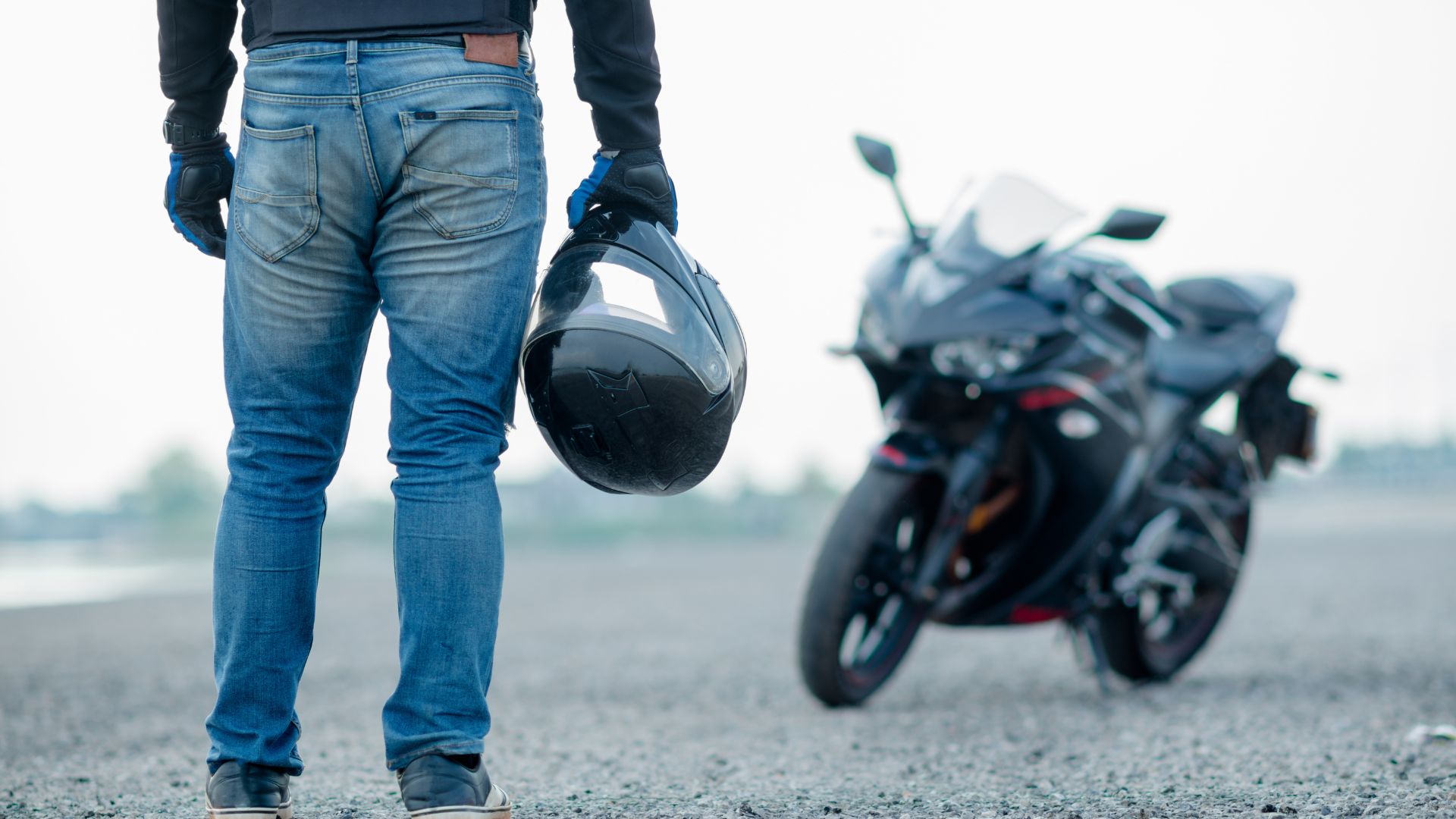
Summary: Helmet laws affect motorcycle accident claims in Colorado through comparative negligence principles that can reduce your compensation. Colorado’s partial helmet law requires only that riders under 18 wear helmets, leaving adults free to choose. Your decision to wear or forgo a helmet can significantly impact your injury claim and may reduce compensation based on assigned fault. Understanding these nuances is critical when pursuing compensation after a motorcycle accident in Colorado Springs.
The Hidden Impact of Helmet Choices on Your Motorcycle Accident Claim
You’ve just experienced the nightmare scenario every motorcyclist fears – a serious accident on one of Southern Colorado’s scenic, but sometimes dangerous, roads. As healthcare costs increase, paychecks are missed, and the impact of your injuries on your life sets in, you’re suddenly faced with an unexpected challenge: insurance adjusters questioning whether your compensation should be reduced because of your helmet choice.
Helmet laws affect motorcycle accident claims in Colorado in ways that many riders don’t anticipate until it’s too late. Whether you were traveling along Garden of the Gods Road, navigating downtown traffic, or enjoying a ride through the mountains surrounding our beautiful city, understanding how your helmet decision influences your legal rights is crucial to protecting your financial future.
Colorado’s Unique Helmet Law Landscape
Colorado’s helmet laws affect motorcycle accident claims differently than in many other states. Here’s what you need to know:
- Limited requirements: Under Colorado law (specifically Section 42-4-1502 of the Colorado Revised Statutes), only riders and passengers under 18 must wear DOT-approved helmets. If you’re 18 or older, you have the legal right to decide whether to wear a helmet.
- Eye protection mandate: While adult riders can legally ride without a helmet, all motorcyclists, regardless of age, must wear eye protection.
- Safety recommendations: Despite legal flexibility, organizations such as the Colorado Department of Transportation strongly encourage all riders to wear helmets, citing their effectiveness in preventing severe injuries.
This freedom of choice creates a complex legal situation when accidents occur. While you have the legal right to ride without a helmet as an adult, that decision can still affect your injury claim.
How Helmet Laws Affect Motorcycle Accident Claims Through Comparative Negligence
When you’re injured in a motorcycle accident in Colorado that wasn’t your fault, the helmet laws affect motorcycle accident claims through a legal principle called “modified comparative negligence.”
Fault Reduction
Insurance carriers and defense attorneys frequently contend that your injuries would have been less serious if you had been wearing a helmet—even when the law did not require it. They may attempt to limit your recovery by arguing that you bear partial responsibility for the severity of your injuries.
Percentage-Based Reductions
Under Colorado’s comparative negligence rules, a court may decrease your financial recovery based on the percentage of your fault in the accident. For example, if you suffer head injuries in an accident where another driver was clearly at fault, but you weren’t wearing a helmet, the court might determine you’re 25% responsible for the severity of those specific injuries, reducing your compensation accordingly.
Injury-Specific Considerations
The helmet laws affect motorcycle accident claims only as to injuries a helmet could have prevented or mitigated. If your injuries involve your spine, limbs, or internal trauma unrelated to head protection, helmet use becomes irrelevant to your claim.
For Colorado Springs residents, these considerations take on additional significance due to our city’s unique traffic patterns and accident statistics.
Related: Can You Trust Personal Injury Settlement Calculators?
The Statistical Reality: Helmets and Injury Outcomes
Of course, the best way to avoid the modified negligence rules is to wear your helmet, no matter your age. The data supporting helmet use is compelling:
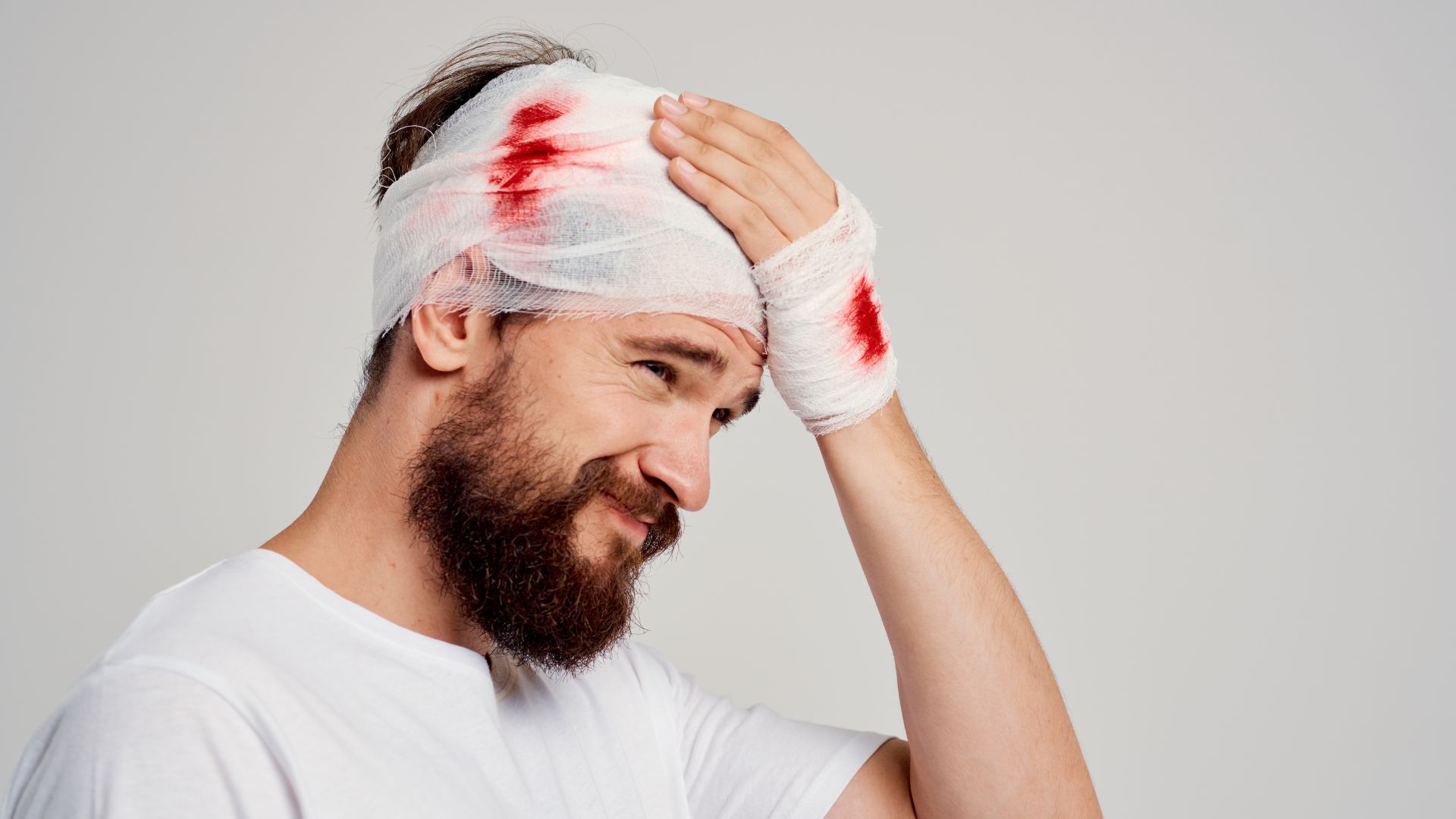
- Dramatic survival impact: Helmets are 37-42% effective in preventing motorcycle fatalities. Studies consistently show unhelmeted riders face substantially higher rates of traumatic brain injury compared to helmeted riders.
- Colorado’s concerning trends: In recent years, Colorado has seen record-breaking motorcycle fatality numbers. In 2024, 165 motorcyclists lost their lives—the highest number ever recorded and representing a 57% increase over the previous decade.
- Protection effectiveness: The CDC confirms that properly fitted helmets lower the likelihood of head injuries by approximately 69% and the risk of death by 37%.
These statistics carry significant weight in settlement negotiations and courtroom proceedings. Understanding how helmet laws affect motorcycle accident claims is critical, because insurance companies often rely on these numbers to argue that your compensation should be reduced for not wearing a helmet—even when Colorado law did not require you to wear one.
You Might Like: Minor TBI After a Car Accident: What You Need to Know When Your Brain is On the Line
Proving Your Case: Evidence and Documentation in Colorado
When helmet laws affect motorcycle accident claims in your case, proper documentation becomes crucial:
- Preserve evidence: If you were wearing a helmet during your accident, keep it as physical evidence, even if it’s damaged. This can serve as proof supporting your claim of responsible riding.
- Medical documentation: Ensure your medical records thoroughly reflect the full extent of your injuries and how they occurred. If helmet use becomes an issue, this documentation can help demonstrate whether a helmet would(or would not) have prevented those injuries.
- Accident site details: The varied terrain and weather conditions in the Pike’s Peak region can contribute to accidents. Document local road conditions, weather, and any other factors that may have played a role in your crash.
- Witness statements: Collect the contact information and statements from witnesses who can verify key details of the crash, including how you were riding and the safety precautions you followed.
Steps to Take After a Motorcycle Accident in Colorado Springs
If you’ve been in a motorcycle accident, take these steps to protect your claim:
- Document the scene with photos: Capture the accident scene, your injuries, and your motorcycle. If you were wearing a helmet, document its condition.
- Seek immediate medical attention: Even if you think your injuries are minor, get checked by a medical professional. Certain severe injuries, such as traumatic brain injuries, may not show symptoms immediately.
- Be cautious with insurance adjusters: Don’t provide recorded statements or accept settlement offers without consulting an attorney who understands how helmet laws affect motorcycle accident claims.
- Contact King & Beaty: Schedule your free consultation with our experienced motorcycle crash attorneys to learn about your rights and legal options before taking steps that could impact your financial recovery.
Keep Reading: Sharing the Road: Essential Tips for Preventing Motorcycle Accidents in Colorado Springs
Local Considerations for Southern Colorado Riders
Colorado presents unique challenges for motorcyclists:
- Mountain roads: The beautiful mountain roads we love offer breathtaking rides but come with increased risks due to sharp curves, elevation changes, and sometimes unpredictable weather.
- Tourist traffic: As a popular destination, Colorado sees significant tourist traffic unfamiliar with local roads, creating additional hazards for motorcyclists.
- Seasonal challenges: From summer thunderstorms to winter ice patches, our local weather patterns create changing road conditions that can contribute to accidents.
Understanding these local factors is essential when building your injury claim, especially when helmet use becomes a factor in negotiations.
Related: Commercial Truck Accidents in Winter on Colorado Mountain Passes: Unique Liability Factors
Why Choose King & Beaty for Your Motorcycle Accident Claim
At King & Beaty, we understand how helmet laws affect motorcycle accident claims in Colorado specifically. Our approach includes:
- Local knowledge: Our attorneys know Colorado Springs roads, traffic patterns, and how local courts handle motorcycle injury claims.
- Comparative negligence expertise: We counter arguments seeking to reduce your compensation based on your helmet choice with strategic legal approaches tailored to your case.
- No upfront costs: With our contingency fee agreements, you pay nothing unless we recover compensation for you. This allows you to focus on recovery rather than financial stress.
- Personalized strategy: We create a tailored strategy built around the unique details of your crash, the nature of your injuries, and the laws that apply to your case.
As motorcyclists face disproportionate risks on Colorado roads—making up just 3% of vehicles but accounting for 24% of traffic fatalities—having knowledgeable representation is critical to receiving fair compensation.
Don’t Let Helmet Law Arguments Reduce Your Compensation
If you’ve been injured in a motorcycle accident in the Pikes Peak region, don’t let questions about helmet laws affect motorcycle accident claims without proper representation. At King & Beaty, we understand the complexities of Colorado’s motorcycle laws and how they impact your right to compensation. Contact us today for a free consultation. Together, we will safeguard your rights and pursue the full compensation you are entitled to for your injuries.

FAQs: How Helmet Laws Affect Motorcycle Accident Claims in Colorado
Can I still recover damages if I wasn't wearing a helmet at the time of my accident?
You can still pursue financial recovery even if you were not wearing a helmet at the time of the crash. Colorado law only requires riders under 18 to wear helmets, so if you’re an adult, you were exercising your legal right. However, be aware that insurance companies may try to reduce your compensation by arguing that your injuries would have been less severe with a helmet. At King & Beaty, we fight these tactics to ensure you receive fair compensation. Contact us for a free consultation to discuss your specific case.
Does Colorado's comparative negligence law apply differently to motorcycle accidents?
The same comparative negligence principles apply to all vehicle accidents in Colorado, but helmet laws affect motorcycle accident claims in unique ways. If you’re found partially at fault for your injuries because you weren’t wearing a helmet, your compensation may be proportional to your level of fault. However, this only applies to injuries that a helmet could have prevented, such as head trauma. Other injuries remain fully compensable regardless of helmet use.
How long do I have to file a motorcycle injury claim in Colorado?
Colorado’s statute of limitations generally allows two years following the date of your motorcycle crash to file a personal injury lawsuit, although the exact circumstances of your accident may alter that timeframe. Failing to act within the required timeframe can bar you from recovering compensation—regardless of helmet use or fault. Contact King & Beaty as soon as possible to protect your rights and preserve important deadlines.
What damages can I recover in a motorcycle accident claim?
You may have the right to seek compensation for a range of losses, such as medical bills, missed income, diminished earning potential, physical pain, emotional hardship, and damage to your property. The amount of compensation may be affected by whether you were wearing a helmet and how helmet laws affect motorcycle accident claims in your specific case. Each situation is unique, which is why a personal consultation with our experienced attorneys is essential to understanding your potential recovery.