
Compensation and Healing in Southern Colorado
Anxiety after a car accident can feel like an invisible wound that follows you everywhere. While the visible injuries may fade, the mental impact often lingers. The racing thoughts when you approach an intersection, the panic that grips you when you hear screeching tires, the persistent worry that prevents peaceful sleep—these emotional scars often remain long after the bandages come off.
You’re not alone in this struggle. Many Colorado Springs residents find themselves battling unexpected mental health challenges following an accident. The mounting medical bills, inability to work, and strain on personal relationships only compound the feelings of anxiety after a car accident. What many don’t realize is that these psychological impacts deserve compensation just as much as physical injuries.
The Triple Threat: PTSD, Depression, and Anxiety After a Car Accident
When your life changes in an instant on I-25 or Powers Boulevard, the psychological effects of a car accident can be profound and complex. While the exact conditions often overlap, understanding each one separately can help you recognize what you’re experiencing and communicate it effectively when seeking treatment and compensation.
Post-Traumatic Stress Disorder (PTSD) Following Accidents
PTSD is more than just bad memories—it’s a clinical condition that can develop after experiencing or witnessing a traumatic event. For Colorado Springs residents, this might manifest as:
- Flashbacks: Suddenly feeling as if you’re reliving the moment your vehicle was struck, complete with sounds, smells, and physical sensations.
- Avoidance behaviors: Taking lengthy detours to avoid driving past the intersection where your accident occurred, even if it means adding valuable time to your commute.
- Hypervigilance: Being unable to relax even in safe environments like your own neighborhood, constantly feeling on edge and expecting danger.
- Intrusive thoughts: Having unwanted memories of the accident interrupts your workday at your downtown Colorado Springs office or family dinner.
An article published in Science Direct shows that motor vehicle accidents rank as the primary cause of PTSD in the general population, affecting millions of Americans annually.
Depression as the Hidden Aftermath of Trauma
Depression after an accident often develops gradually as you come to terms with your changed circumstances:
- Persistent sadness: Feeling a heaviness that doesn’t lift, even when enjoying the view from Palmer Park that used to bring you joy.
- Loss of interest: No longer caring about activities you once loved, like attending Air Force Academy football games or exploring Lake Gulch Trail.
- Fatigue and lethargy: Struggling to find and sustain the energy to perform basic daily tasks, despite adequate rest.
- Feelings of worthlessness: Believing your inability to work or participate in family activities makes you a burden to others.
- Cognitive difficulties: Experiencing what many call “brain fog”—trouble concentrating, making decisions, or remembering details.
The behavioral health community confirms that individuals who experience a traumatic accident are at significantly higher risk for developing major depressive disorder within the first year following the incident.
You Might Like: Common Injuries in Rear-End Collisions and How to Get Compensation
How Anxiety After a Car Accident Impacts Your Daily Life
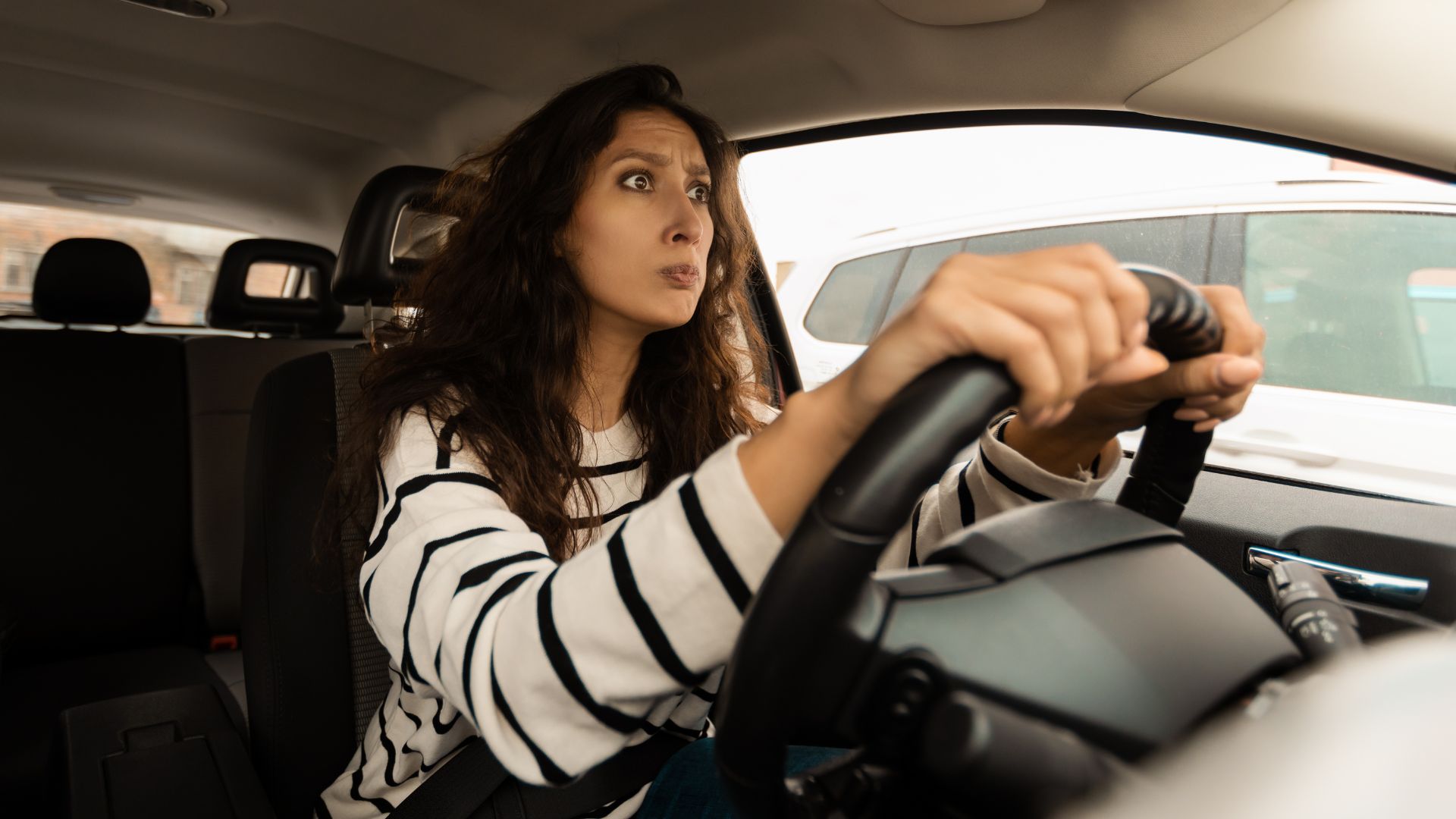
When driving down the street becomes a trigger for panic attacks, or the thought of crossing downtown streets on foot fills you with dread, your quality of life has been significantly compromised. Anxiety after a car accident manifests in various ways:
- Sleep disturbances: Insomnia or nightmares about the accident prevent restful sleep, leaving you exhausted and unable to function optimally.
- Social withdrawal: You might avoid social gatherings because leaving home feels overwhelming.
- Physical symptoms: Chest tightness, rapid heartbeat, and shortness of breath might strike unexpectedly, especially when faced with situations similar to your accident.
- Concentration difficulties: Work performance may suffer as intrusive thoughts about the accident make focusing on tasks nearly impossible.
Research shows that many car accident victims experience anxiety and depression at clinically significant levels.
The Interplay of Psychological Conditions
For many Colorado Springs accident victims, these conditions don’t exist in isolation. Anxiety after a car accident often overlaps with depression and PTSD, creating a complex web of symptoms that can be difficult to untangle:
- Downward spiral effect: Anxiety might prevent you from driving, leading to isolation, which feeds depression, which in turn worsens PTSD symptoms.
- Physical health implications: The stress from these conditions can manifest physically, compromising your immune system and potentially delaying recovery from physical injuries.
- Treatment complications: Each condition may require different therapeutic approaches, making comprehensive treatment essential.
Understanding Your Right to Compensation for Psychological Injuries
Colorado law recognizes that psychological injuries are real damages deserving of compensation. When anxiety after a car accident disrupts your life, you shouldn’t have to shoulder the burden alone—especially when someone else’s negligence caused your suffering.
The legal term for these damages is “non-economic damages,” which includes:
- Pain and suffering: The ongoing physical and emotional challenges that arise from your injuries.
- Emotional distress: The psychological impact, including anxiety, depression, and PTSD.
- Loss of enjoyment of life: The loss of ability to participate in meaningful or recreational activities you previously enjoyed, like hiking, dinner with friends, or playing in the park with your children.
Documenting Anxiety After a Car Accident for Your Claim
Insurance companies often downplay psychological injuries because they can’t be seen on an X-ray. To strengthen your claim:
- Seek professional help: Mental health treatment creates a medical record of your condition.
- Keep a journal: Document how anxiety after a car accident affects your daily activities, sleep patterns, and relationships.
- Follow treatment recommendations: Attend therapy sessions and take prescribed medications consistently.
- Gather witness statements: Friends and family can attest to changes in your behavior and mood since the accident.
Related: How to Document Your Injuries for a Stronger Personal Injury Claim in Colorado Springs
Special Considerations for PTSD and Depression Claims
Building a case for compensation for PTSD and depression requires additional strategies:
- Specialist evaluations: Neuropsychological testing can provide objective evidence of cognitive and emotional impairments.
- Treatment consistency: Regular appointments with mental health professionals demonstrate the ongoing nature of your condition.
- Functional impact documentation: Detailed records showing how your psychological conditions prevent return to work or participation in everyday activities.
- Medication documentation: Records of prescribed psychotropic medications and their side effects can substantiate the severity of your condition.
How a Colorado Springs Attorney Helps Prove Psychological Damages
When you’re fighting anxiety after a car accident, adding the stress of a legal battle can seem impossible. A traffic accident lawyer shoulders this burden by:
- Connecting you to qualified and trusted mental health providers who can properly diagnose and document conditions like PTSD, anxiety, and depression.
- Calculating appropriate compensation using their experience with similar cases, not just relying on a generic compensation calculator like insurance companies use.
- Presenting compelling evidence, including expert testimony that explains how the accident caused your psychological injuries.
- Challenging insurance companies that frequently seek to limit or deny compensation for mental health damages.
Finding Healing While Pursuing Justice
Recovery from anxiety after a car accident happens alongside your legal claim, not after it.
- Utilize local resources: Colorado Springs offers numerous support groups and mental health services specifically for trauma survivors.
- Practice self-care: The healing powers of nature in Garden of the Gods or Castlewood Canyon State Park can be therapeutic additions to professional treatment.
- Be patient with yourself: Recovery isn’t linear, and setbacks are normal parts of the healing journey.
- Focus on small victories: Celebrate when you can drive past your accident site or sleep through the night without nightmares.

Comprehensive Treatment Approaches for Psychological Recovery
Effective treatment for the psychological aftermath of accidents often involves multiple approaches:
- Trauma-focused therapy: Specialized treatment methods like CPT (Cognitive Processing Therapy) or EMDR (Eye Movement Desensitization and Reprocessing).
- Medication management: Working with psychiatrists to find effective medication options for anxiety, depression, and PTSD.
- Support groups: Connecting with other accident survivors in southern Colorado who understand your experience firsthand.
- Complementary therapies: Many local practitioners offer evidence-based complementary approaches like mindfulness training, yoga therapy, or equine therapy in the nearby Black Forest area.
Taking the First Step Toward Compensation and Recovery
You don’t have to choose between focusing on your mental health and pursuing the compensation you deserve for anxiety after a car accident. The right legal team handles the complexities of your case while you concentrate on healing.
The psychological impacts of an accident—the anxiety, depression, and PTSD—are real injuries deserving of real compensation. When insurance adjusters try to tell you otherwise, remember that Colorado law is on your side.
Don’t let uncertainty prevent you from seeking help. At King & Beaty, LLC, our personal injury attorneys understand the unique challenges faced by Colorado Springs accident victims suffering from anxiety after a car accident. Our commitment to your recovery means you pay nothing unless we win your case.
The path to healing begins with acknowledging that your psychological suffering matters. Schedule your free consultation and case evaluation today. Together, we will pursue compensation for the full scope of your injuries—both the visible and the hidden.