

An accident pain journal might seem like just another task when you’re already overwhelmed by injuries, medical appointments, and mounting bills. But this simple documentation can become your most powerful tool in recovering the compensation you deserve after an accident. Whether you’re dealing with a car crash on I-25, a slip and fall at a local business, or a workplace injury, accurately documenting your pain tells the story that medical records alone cannot capture.
Your pain is more than just a medical statistic. It’s a deeply personal experience that impacts every aspect of your life—from your ability to work at your office downtown to enjoying a sunset walk in Garden of the Gods. An accident pain journal transforms your invisible suffering into tangible evidence that can significantly strengthen your personal injury claim.
Why an Accident Pain Journal Matters
Keeping track of your recovery in detail provides a fuller picture of your experience. An accident pain journal matters because it captures the human side of your injuries—something no X-ray or medical chart can fully explain.
Emotional Landscape
Use your journal to capture the psychological toll of your injuries beyond clinical diagnoses. This includes feelings of frustration, isolation, or even fear that might arise as you recover.
Functional Limitations
Document how pain prevents you from working, caring for family, or enjoying local activities. A single note about missing your child’s soccer game or struggling with grocery shopping can illustrate a much larger pattern of disruption.
Treatment Progression
Tracking your medical journey—including treatments at UCHealth Memorial Hospital or local rehabilitation centers—helps demonstrate how your pain evolves over time. Additionally, tracking also shows whether treatments are effective or if symptoms worsen.
Personal Impact
Describe how your injuries strain relationships and diminish your quality of life. Sharing these details helps others understand the daily reality of living with pain after an accident.
Recently On Our Blog: What to Do When You Are Injured By an Uninsured Driver in Colorado Springs
The Legal Power of Your Accident Pain Journal
When it comes to personal injury law, evidence is everything. Insurance companies and courts value detailed, consistent documentation, and an accident pain journal provides precisely that.
Contemporaneous Evidence
Real-time documentation carries more weight than retrospective statements because it reflects your genuine, day-to-day experiences.
Credibility Builder
A well-kept journal demonstrates your commitment to recovery and honest reporting. It shows that you’re not exaggerating but instead recording events as they happen.
Comprehensive Damage Proof
Your journal becomes a comprehensive record of the physical, emotional, and mental suffering you’ve endured, supporting a more complete claim for damages.
What to Include in Your Accident Pain Journal
Knowing what to write can feel overwhelming at first. Breaking it down into categories makes the process easier and ensures you don’t miss critical details.
Daily Pain Documentation
Be specific about how your pain feels each day:
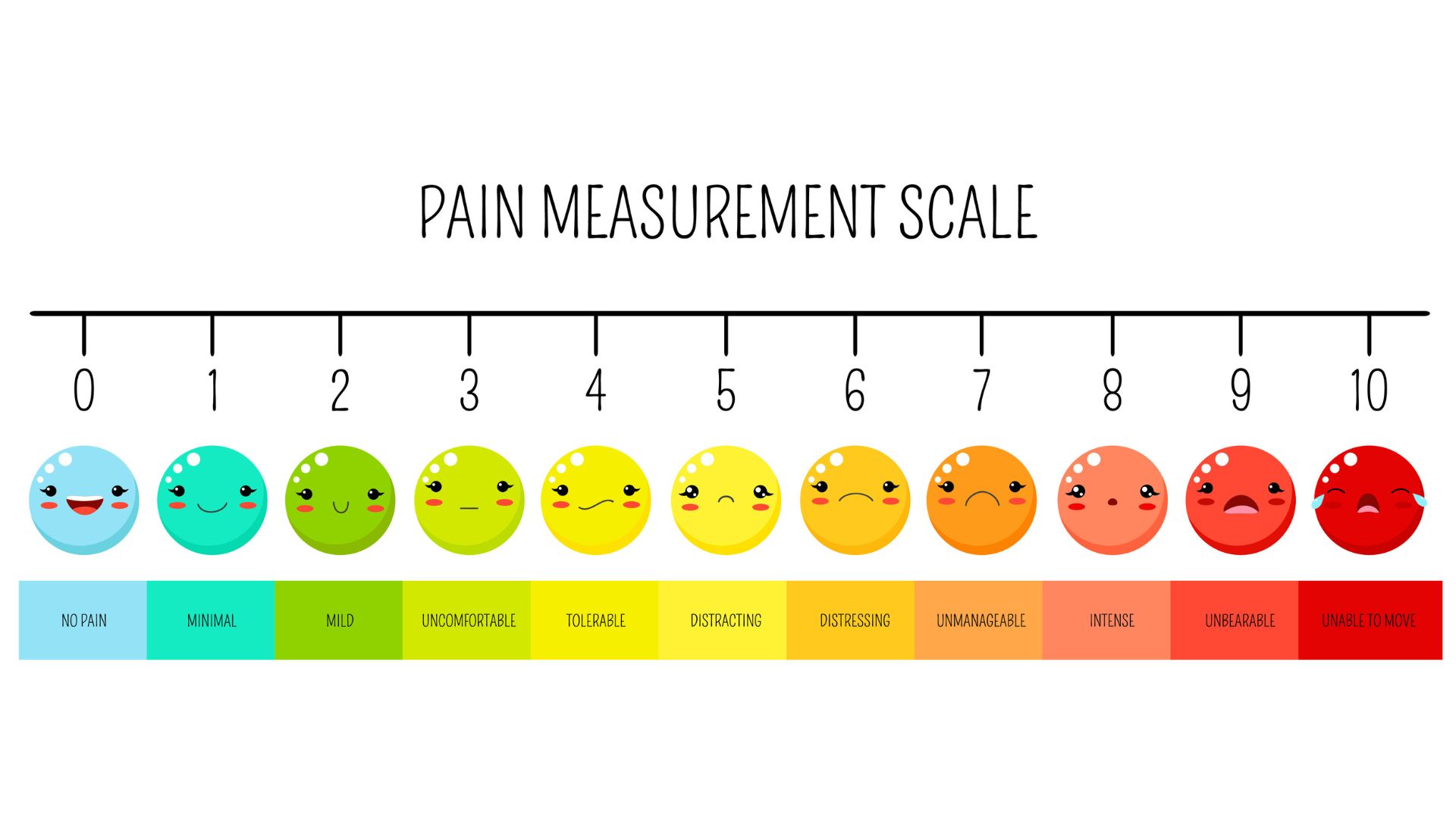
- Pain intensity: Use a consistent 1–10 scale to track pain levels so patterns become clear.
- Pain location: Note exactly where you’re experiencing discomfort—such as your lower back, shoulders, or neck.
- Pain characteristics: Record whether the pain is sharp, dull, throbbing, or constant. These descriptors give attorneys and doctors valuable context.
- Triggering activities: Mention what makes pain worse or better, whether that’s lifting groceries, climbing stairs, or resting.
Functional Impact Tracking
Detailing how injuries affect your daily functions makes your story more relatable.
- Work limitations: Explain if you miss workdays, need reduced hours, or can’t complete tasks.
- Personal care challenges: Describe struggles with activities like dressing, bathing, or cooking. These everyday difficulties carry significant weight in legal cases.
- Mobility restrictions: Share how pain affects your ability to drive, walk, or participate in community activities around Colorado Springs.
Emotional and Mental Health Observations
Your journal should also capture the mental and emotional side of recovery.
- Mood changes: Write about periods of anxiety, depression, or irritability caused by constant pain.
- Sleep disruptions: Explain if your pain prevents you from drifting off to sleep or remaining asleep throughout the night.
- Social interaction challenges: Record how your injuries make it harder to spend time with friends, attend events, or enjoy family gatherings.
Learn More: Overcoming Anxiety After an Accident: Finding Compensation and Healing in Southern Colorado
Best Practices for Maintaining an Accident Pain Journal
Sticking to a clear and consistent approach ensures that your journal is both helpful for your recovery and your legal claim.
Documentation Strategies
Before you dive into daily entries, set a simple, repeatable system so your accident pain journal stays credible, consistent, and easy to maintain. The basics below keep your record usable for both medical care and your claim.
- Consistency is key: Write entries daily, even if brief. Doing so builds a strong, continuous record.
- Be specific and honest: Avoid exaggeration or minimization—accuracy is far more persuasive.
- Include supporting evidence: Attach receipts, prescriptions, or treatment notes to strengthen your documentation.
- Use digital or physical format: Choose whichever format best suits your lifestyle, whether a notebook or a secure mobile app.
Practical Tips for Colorado Springs Residents
Local routines can help you remember to keep up with your journal.
- Set a daily reminder: Use your phone or calendar to prompt you at the same time each day.
- Keep your journal accessible: Store it near your bed or in a location you can easily reach.
- Consider voice memos: If writing is difficult due to your injuries, recording entries aloud can be just as effective.
Common Mistakes to Avoid
It’s easy to make errors that weaken your journal’s value.
- Inconsistent reporting: Gaps in your entries can make insurers question your credibility.
- Emotional venting: While it’s natural to feel frustrated, focus on factual, objective descriptions.
- Sharing on social media: Posting your pain journal contents online can undermine your case if taken out of context.

Legal Considerations for Your Documenting Your Pain
Beyond personal healing, your journal plays a critical role in the legal process. Protecting the integrity of your documentation ensures it has maximum impact.
Protecting Your Documentation
Maintain strict standards so your journal is taken seriously.
- Confidentiality: Share your journal only with your legal representative.
- Accuracy: Never alter entries after the fact; corrections should be noted transparently.
- Comprehensive details: Always include dates, times, and specific circumstances to preserve accuracy.
Technology and Your Accident Pain Journal
Digital tools can make your recordkeeping more convenient and secure.
- Mobile apps: Specialized pain-tracking applications help organize your entries.
- Cloud storage: Secure backup options protect your journal from being lost or damaged.
- Digital timestamps: Built-in metadata provides additional credibility to your entries.
Working with Your Attorney
Once you’ve kept an accident pain journal for weeks or months, it becomes a valuable resource for your legal team.
- Provide complete copies: Share your entire journal with your attorney rather than selected portions.
- Discuss entries: Regularly review your journal with your lawyer to highlight key details.
- Follow legal guidance: Attorneys may suggest additional documentation strategies tailored to your case.
Keep Reading: How to Document Your Injuries For a Stronger Personal Injury Claim in Colorado Springs
Clinical and Research Support for Keeping Pain Journals
Beyond legal strategy, medical and research communities also emphasize the importance of consistently documenting pain. This data reinforces the idea that your accident pain journal is not just a legal tool but also an evidence-based practice for managing recovery.
According to the National Institutes of Health (NIH), chronic pain is a multifaceted condition influenced by biological, psychological, and social factors. Their research highlights the importance of detailed self-reporting, such as maintaining a daily journal, to understand patterns of pain and treatment effectiveness better.
Similarly, the American Pain Society (APS) has published evidence-based guidelines recommending structured systems for pain assessment and ongoing documentation. These guidelines, appearing in JAMA Internal Medicine, emphasize that routine and consistent self-reporting of pain enhances both medical care and long-term outcomes.
Together, these findings validate the accident pain journal as more than a legal strategy—leading medical organizations also recognize it as an essential component of effective recovery and pain management.
The Healing Journey Beyond Documentation
Your accident pain journal is more than just a legal tool. It can also be a form of therapy. Writing helps you process your journey and gives you a sense of control.
By documenting your progress, you create a record of resilience—a testament to your strength in overcoming challenges. At King & Beaty, LLC, we understand that your pain is more than just words on a page. Our Southern Colorado personal injury attorneys have the experience and tenacity to ensure you receive the compensation and support you deserve.
Your story matters. Your pain matters. Let us help you turn your documented experience into the justice you seek. Don’t wait to start documenting your recovery. Contact us today to learn how an accident pain journal can be your most powerful ally in your legal journey.
Schedule your free consultation and case evaluation today.
Related posts:
 The Importance of Medical Evidence In Personal Injury Cases
 From Pain to Claim: Gauging Whether Your Injuries Are Serious Enough to Sue
 How to Document Your Injuries for a Stronger Personal Injury Claim in Colorado Springs
 Personal Injury Claim: How Much Will I Get and How Long Does It Take in Colorado